

As over tourism becomes an increasingly pressing issue, travelers are shifting their focus away from major cities and toward smaller, lesser-known destinations. This trend, known as second-city travel, is not only helping to reduce the strain on overcrowded hotspots but also giving adventurers a chance to explore unique locations with fewer crowds and a more authentic feel.
What Is Second-City Travel?
Second-city travel involves choosing alternative destinations to the major metropolitan hubs. Instead of Paris, travelers might visit Lyon; instead of Venice, they might explore Bologna. These second-tier cities often offer similar cultural experiences, historical landmarks, and culinary delights without the overwhelming crowds or inflated prices.
Why Second-City Travel Is Gaining Popularity
The rise of second-city travel can be attributed to a combination of factors. First, travelers are increasingly mindful of the environmental and cultural impact of overtourism, which can strain local communities and ecosystems. Second, many people are seeking unique, off-the-beaten-path experiences that feel more personal and less commercialized. Finally, second-city travel often comes with cost savings, as accommodations and attractions in these destinations tend to be more affordable.
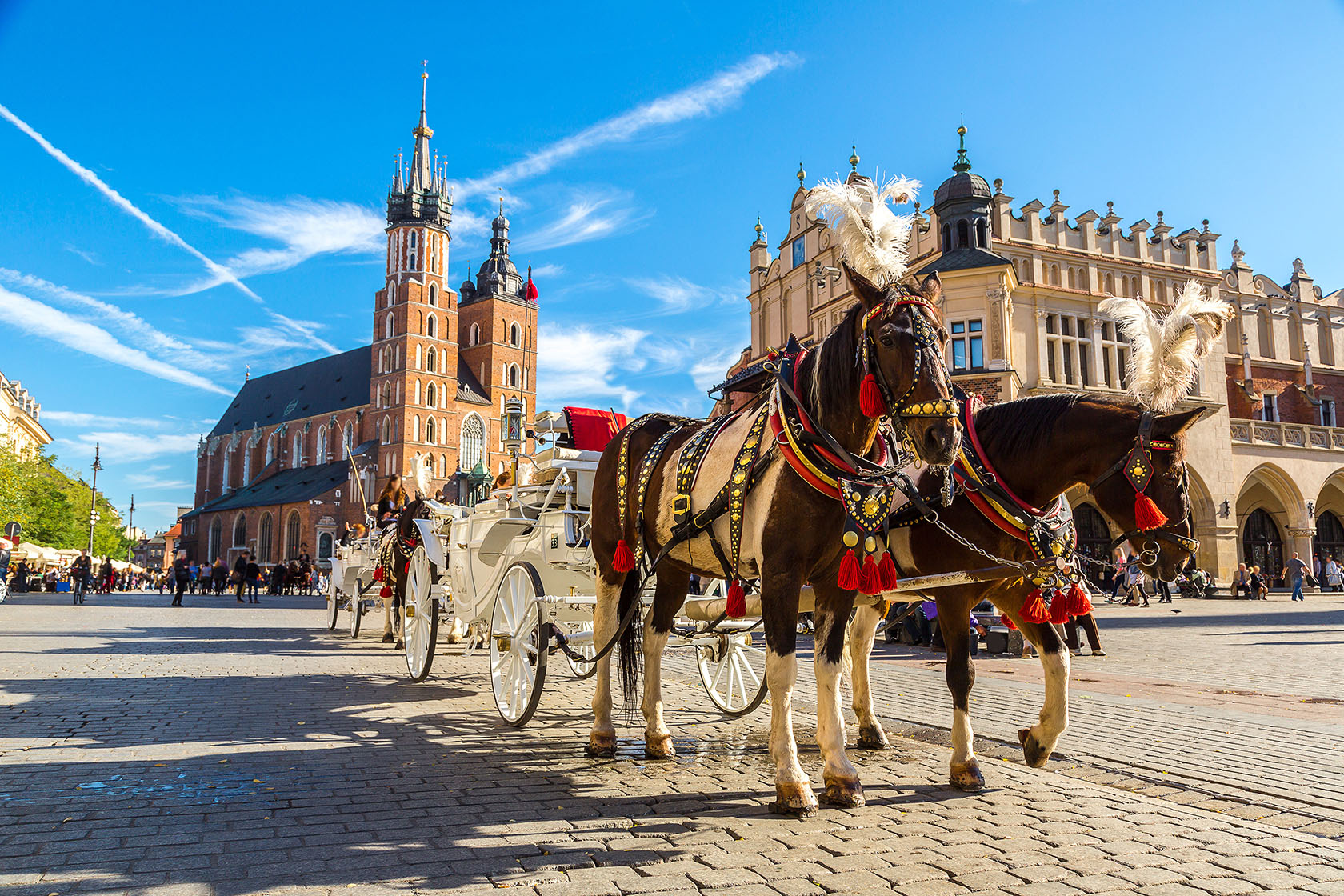
There are countless second-city gems waiting to be discovered. In the United States, cities like Asheville, North Carolina, and Milwaukee, Wisconsin, are gaining attention for their thriving arts scenes and vibrant local cultures. In Europe, destinations such as Porto, Portugal, and Krakow, Poland, offer rich history and charm that rival their more famous counterparts. Across Asia, cities like Chiang Rai in Thailand or Fukuoka in Japan are providing travelers with serene, authentic alternatives to bustling capitals.
How to Plan a Second-City Adventure
To make the most of a second-city trip, start by researching destinations with strong cultural or natural appeal that align with your interests. Look for recommendations from locals or niche travel blogs that focus on hidden gems. Embrace the slower pace and authenticity these destinations often offer, and don’t be afraid to explore beyond the main attractions.
As travelers continue to seek more meaningful and sustainable ways to explore the world, second-city travel is poised to become a major trend. By venturing off the beaten path, you’ll not only discover new places but also help support communities that often benefit greatly from tourism.

