

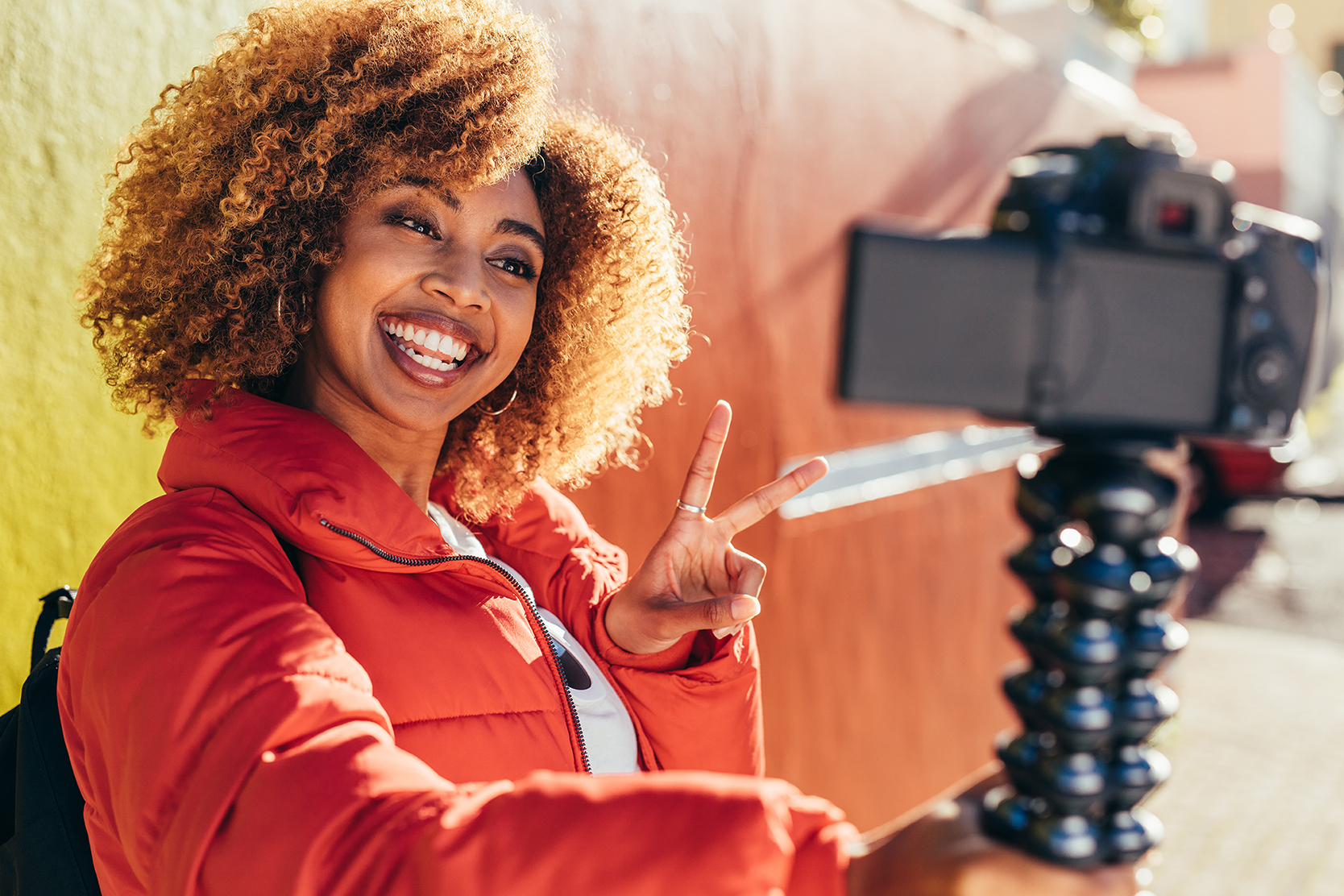
Social media has transformed the way we travel, turning everyday destinations into viral sensations. Platforms like Instagram, TikTok, and Pinterest have become virtual travel guides, inspiring millions of users to explore the world through captivating images and videos. The allure of these platforms lies in their ability to showcase destinations in their most picturesque and shareable forms, sparking wanderlust in a way that traditional brochures rarely achieve.
One of social media’s most profound influences is its role in shaping traveler preferences. People often base their travel decisions on what they see online, from stunning beach vistas to iconic landmarks. Hashtags, geotags, and user-generated content allow potential visitors to explore a destination virtually before booking, giving them a sense of what to expect. This transparency empowers travelers to choose experiences that align with their personal interests and values.
The rise of influencer marketing has further amplified social media’s impact on travel. Tourism boards, hotels, and airlines collaborate with influencers to promote destinations and services through authentic storytelling. These collaborations often result in a ripple effect, with followers eager to replicate their favorite influencers’ experiences. However, this trend has also highlighted the challenges of overtourism, as some destinations struggle to cope with sudden surges in popularity.
Despite these challenges, social media offers opportunities to promote lesser-known destinations and sustainable travel practices. Platforms are increasingly being used to highlight eco-conscious travel options and encourage exploration of off-the-beaten-path locations. By leveraging the reach of social media, the travel industry can guide audiences toward more responsible and impactful travel choices.
As technology evolves, so will social media’s role in shaping travel trends. It has redefined how we discover, plan, and experience the world, bridging the gap between travelers and destinations. For both businesses and adventurers, understanding and harnessing this influence is key to thriving in today’s travel landscape.

